Future Focus 2026: Why We Invest in the Next Generation
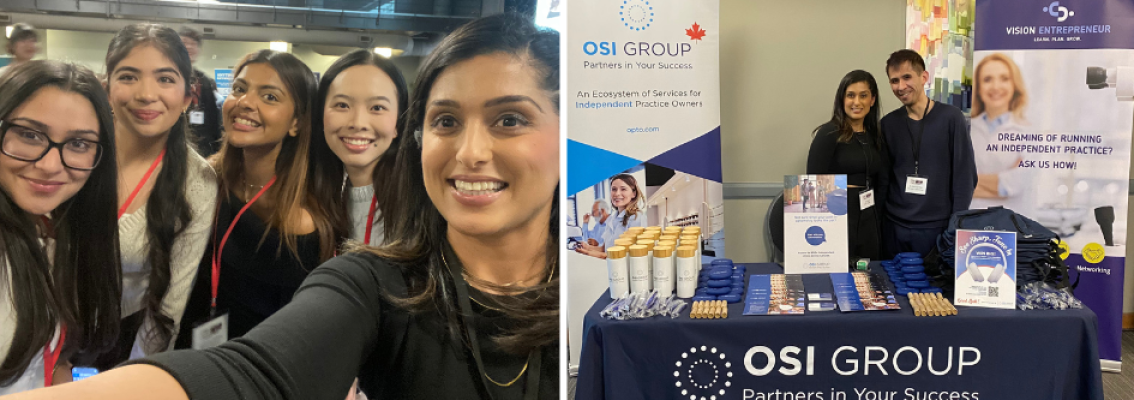
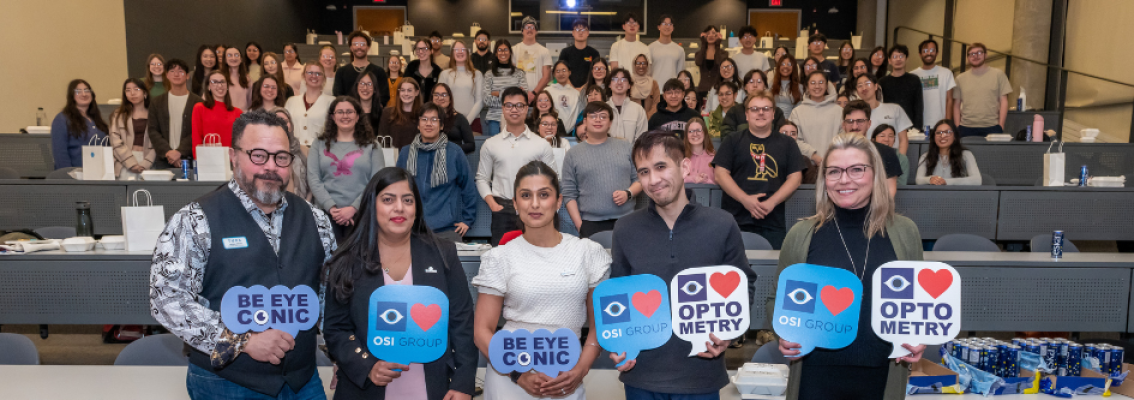
On April 2, at the University of Waterloo, 118 students gathered for Future Focus 2026. For OSI Group, the evening focused on how early exposure shapes the direction students take once they leave school, and how independent practice is positioned within that decision.
Where Direction Actually Forms
Students arrive with specific concerns. What kind of practice will I enter? How much control will I have over clinical decisions? Where does mentorship come from once training ends?
Those questions do not take shape through information alone. They sharpen through contact with people already working inside the profession.
On-site, OSI Practice Advisor Jas Ryat and OSI Member ambassador Dr. Michael Yee grounded those conversations in day-to-day reality. The discussion moved between training and practice, giving students a clearer sense of how independent clinics operate and how different career paths develop over time.
“Students aren’t just looking for a paycheck,” says Dr. Yee. “They are looking for a professional home where they can maintain clinical autonomy without feeling like they are on an island.”
That tension between autonomy and support defines many early decisions. It is also where assumptions about independent practice begin to shift.
A Perspective You Can Place Yourself In
The presence of a practising optometrist changes the conversation. Students are not hearing from a recruiter or an abstract organization. They are speaking with someone who has built a career inside the model being discussed.
That distinction grounds the exchange in lived experience and makes the path forward easier to picture.
Across OSI’s network of more than 900 clinics, that experience takes different forms. Some build toward ownership. Others enter through partnership or expand across multiple locations. Many develop focused areas of care. The paths vary, but the throughline holds: clinical decision-making stays with the practitioner, supported by a structure that allows that responsibility to grow over time.
The evening also featured a keynote from Dr. Martina Sawatzky (UW ’19), who spoke to the role of both ambition and support in shaping a career.
That idea echoed through the room. Students are not only deciding what they want to pursue, but where that pursuit will be sustained.
Being present in that moment matters. It places OSI inside the definition of support as it forms, not after the fact.
When OSI invests time at the University of Waterloo, we are:
-
De-risking the path to independence: By showing students what a supported transition into ownership or partnership actually looks like, we make that path easier to commit to.
-
Representing the network early: We bring our standards of care and business practices into the conversation before other models take hold.
-
Defining how independent optometry is understood: Not as a legacy route, but as a model that continues to evolve with the profession.
Events like Future Focus do not determine a student’s path in a single evening. They establish a reference point. One that is concrete, attainable, and worth pursuing further.
Latest Articles
University of Waterloo’s 2026 Frame Ceremony: Fitted for What's Next

Far from the City, Close to the Work: What Two Optometrists Discovered Going Rural
Rethinking Your Optometry Career Opportunities: How Rural Practice Can Fast-Track Success